Domestic fly infestations in residential structures originate inside gelatinous organic films lining plumbing infrastructure rather than open living spaces. In Franklin County, adult drain flies (Psychodidae) and…
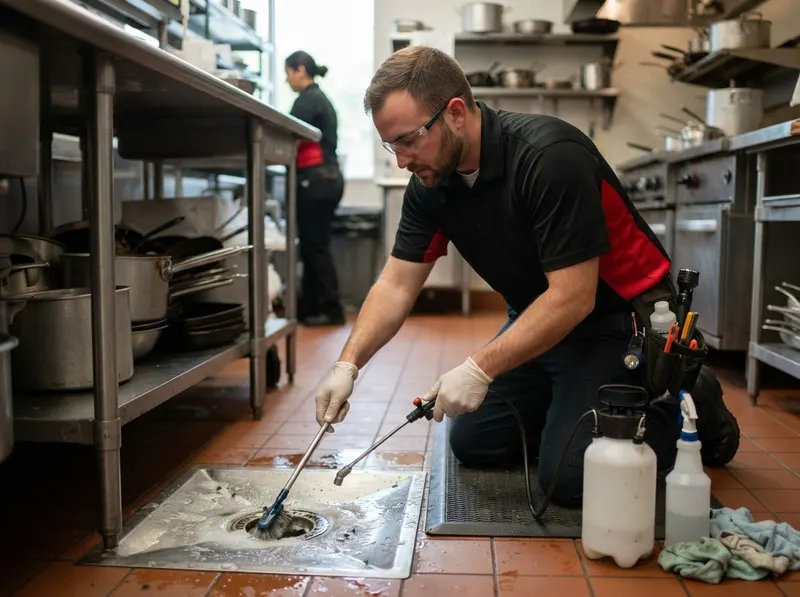
Domestic fly infestations in residential structures originate inside gelatinous organic films lining plumbing infrastructure rather than open living spaces. In Franklin County, adult drain flies (Psychodidae) and phorid flies (Phoridae) exploit anaerobic decay inside p-traps, washing machine standpipes, and cracked floor drains, laying between 30 and 100 eggs per cluster according to research published by the Ohio State University Department of Entomology. Standard retail bleach or boiling water poured down plumbing fixtures dissipates before penetrating the core lipid structure of the biofilm, leaving pupae shielded against eradication. WillowForge Pest Care restores domestic peace through systematic sanitation and architectural isolation, using specialized line cameras to verify pipe integrity before deploying concentrated bio-enzymatic slurries that dissolve the nesting matrix without damaging municipal PVC or cast-iron joints.
Historic housing stock across German Village, Victorian Village, and Olde Towne East presents elevated moisture vulnerability due to settling sandstone foundations and century-old clay waste laterals. When sub-slab sewage lines fissure beneath basements in Franklinton or the Short North Arts District, phorid flies reproduce directly within soil saturated by waste, burrowing through micro-fissures in aged concrete. Clinical remediation requires pairing mechanical auger cleaning with low-toxicity growth inhibitors regulated by the United States Environmental Protection Agency. In modern residential layouts throughout Upper Arlington, Bexley, and Grandview Heights, dual kitchen disposals and condensate lines from high-efficiency HVAC systems produce localized humidity traps. Guidelines established by the Centers for Disease Control and Prevention note that filth flies vector pathogenetic microorganisms such as Salmonella, making targeted mechanical removal far safer for indoor pets and children than aerially broadcast chemical aerosols.
Eradication protocols follow a strict three-phase clinical workflow. First, physical duct and drain assessments isolate the specific fixture harborage using non-invasive surface-adhesive monitors calibrated to standards outlined by the National Pest Management Association. Second, technicians execute mechanical descaling of the fixture collar, followed by deep injection of concentrated bacterial foaming agents verified by the NSF International for structural plumbing safety, digesting grease deposits down to bare pipe. Third, structural gaps surrounding sewer tie-ins, cleanout caps, and sub-slab penetrations are sealed in alignment with building guidelines from the National Association of Home Builders to prevent re-colonization from subterranean municipal infrastructure. This architectural exclusion approach completely eliminates the biological vector without subjecting household members to lingering chemical vapors.
Plumbing infrastructure remediation involves distinct structural trade-offs between chemical foam digestion and mechanical line replacement. Enzymatic drain bio-cleaning resolves approximately 85% of interior breeding colonies without opening drywall or excavating basement slabs; however, when line scoping uncovers structural collapses verified under International Association of Plumbing and Mechanical Officials codes, chemical treatment serves only as an emergency palliative measure until pipe replacement occurs. In low-slope drainage systems common in Clintonville split-levels and Worthington Hills properties, routine bacterial digestion is balanced against water volume velocity, requiring residents to pause fixture usage for a mandatory 6 to 8-hour incubation window overnight. For precise confirmation of pipe integrity and localized pricing, property owners can arrange a site assessment through WillowForge Pest Care by calling (513) 812-8019.
Every job gets a firm, written price after a free on-site visit.
Tell us about your drain and filth fly management job in Columbus and we'll send a clear, written quote, usually the same day.
 WillowForge Pest Care